
Understanding Flood Lights for Residential Use
Overview of Flood Lights – What are flood lights and how do they function?
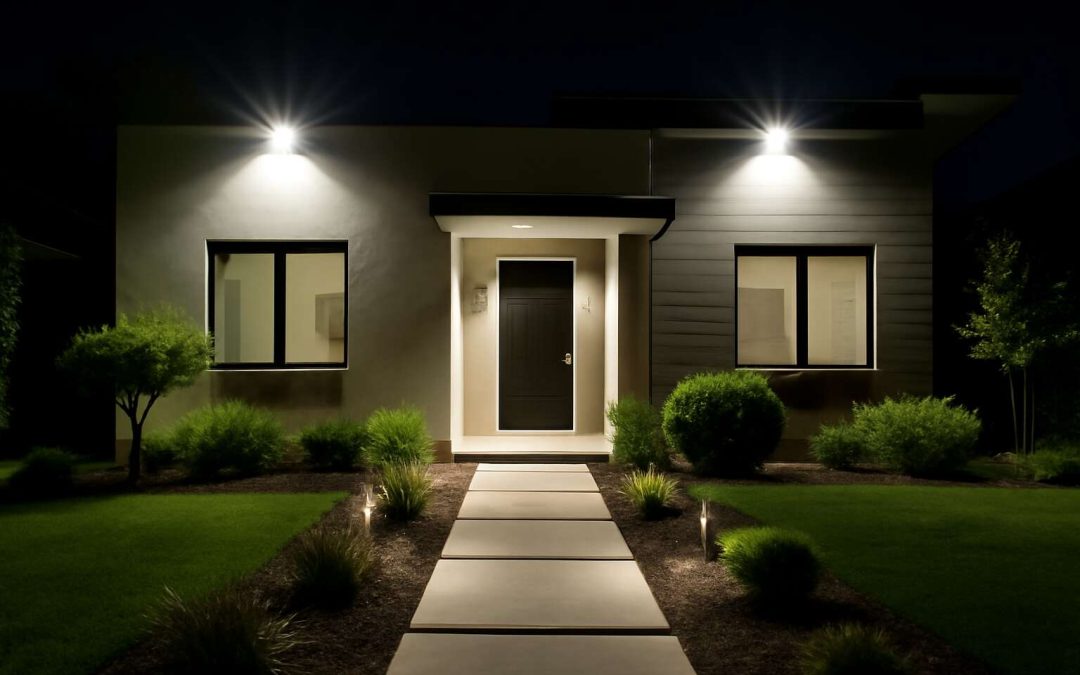
Flood lights for your house are the unsung heroes of outdoor illumination, transforming shadowy corners into welcoming spaces. These powerful fixtures cast a broad, intense beam of light that can cover large areas—perfect for deterring intruders or illuminating your backyard soirée. Unlike traditional porch lighting, flood lights function by dispersing a wide, bright glow, often utilizing high-intensity bulbs that deliver clarity and security in one fell swoop.
What sets flood lights apart is their ability to be both practical and dramatic, providing a versatile solution for residential lighting needs. Whether you’re spotlighting a garden feature or ensuring your driveway remains well-lit through the night, flood lights for your house can be customized to suit your aesthetic and safety requirements. And with modern advancements, these fixtures now come with motion sensors and energy-efficient LEDs, making them smarter and more eco-friendly than ever before.
- Wide coverage area
- Energy efficiency with LED options
- Enhanced security features like motion sensors
Benefits of Installing Flood Lights – Enhanced security, improved visibility, aesthetic appeal
In the quiet hours of the night, a well-placed flood light for your house can be the difference between safety and vulnerability. These fixtures do more than just illuminate—they create a protective barrier that deters unwelcome visitors. The brilliance of flood lights lies in their ability to cast a broad, intense glow, ensuring every corner of your property is visible and secure.
Beyond security, flood lights significantly enhance the aesthetic appeal of your home. When strategically positioned, they accentuate architectural features or highlight lush gardens, transforming your outdoor space into a captivating haven after sunset. With advancements like energy-efficient LEDs and motion sensors, flood lights now combine practicality with eco-conscious innovation. Whether illuminating a driveway or creating a welcoming ambiance for outdoor gatherings, flood lights for your house are an essential element of modern residential design.
Benefits of Installing Flood Lights
- Enhanced security through wide coverage and motion detection
- Improved visibility during nighttime activities
- Increased aesthetic appeal, highlighting landscape features
Types of Flood Lights – LED, halogen, sodium vapor, and solar-powered options
Understanding the different types of flood lights for your house is essential to making an informed choice that aligns with your needs and style. Each type offers unique advantages, from energy efficiency to brightness and durability. LED flood lights, for example, have revolutionized outdoor illumination with their low power consumption and long lifespan. They provide a bright, uniform glow without the hefty electricity bill, making them an excellent choice for eco-conscious homeowners in South Africa.
Halogen flood lights are known for their intense, warm light, perfect for highlighting specific architectural features or creating a cozy ambiance. Sodium vapor lights, on the other hand, emit a distinctive yellowish hue and are often used in street lighting but can also be suitable for certain outdoor applications around your property. Solar-powered flood lights are gaining popularity due to their sustainability and ease of installation—no wiring required, just sunlight and a bit of ingenuity.
- LED flood lights – energy-efficient, long-lasting, and versatile
- Halogen flood lights – vibrant, warm illumination for accent lighting
- Sodium vapor flood lights – powerful and suitable for large areas
- Solar-powered flood lights – eco-friendly and easy to install without electrical wiring
Choosing the right flood light for your house depends on factors like intended use, budget, and aesthetic preference. With the variety of options available, you’ll find the perfect fit to enhance your outdoor space and ensure security after sunset. When it comes to flood lights for your house, understanding these types ensures your investment will illuminate your property with brilliance and purpose.
Key Features to Consider When Choosing Flood Lights
Brightness and Lumens – How to select the right brightness for your needs
When selecting flood lights for your house, understanding brightness and lumens is crucial. Brightness determines how well an area is illuminated and can make or break your security setup. Too dim, and your property remains vulnerable; too bright, and it can cause unnecessary light pollution or discomfort. For residential flood lights, a lumen range of 700 to 1,700 is typically ideal, providing sufficient coverage without overwhelming the space.
To choose the right brightness, consider the size of the area you want to light. Smaller yards may only need around 700 lumens, while larger driveways or gardens could require 1,500 lumens or more. It’s also worth noting that LED flood lights for your house often offer higher lumens with less energy consumption, making them a popular choice in South Africa’s energy-conscious landscape.
- Assess the size and purpose of your outdoor space.
- Decide on the level of brightness needed for security and aesthetics.
- Choose energy-efficient options like LED flood lights for your house for long-term savings.
Remember, selecting the appropriate flood light brightness isn’t just about illumination; it’s about creating a safe, welcoming environment while being mindful of energy use and light pollution. Finding that perfect balance is key to making your house both secure and visually appealing.
Energy Efficiency – LED vs traditional bulbs and long-term savings
When it comes to choosing flood lights for your house, energy efficiency isn’t just a buzzword—it’s the golden ticket to long-term savings and a cleaner planet. LED flood lights have revolutionized outdoor illumination, offering a brilliant combination of brightness and thriftiness. Unlike traditional bulbs that guzzle electricity like a teenager on a gaming binge, LEDs sip power with the elegance of a fine wine. This means you get more lumens for less energy, making them an ideal choice for South African homes where energy conservation is more than just a trend—it’s survival.
Moreover, LED flood lights boast a lifespan that makes halogen or sodium vapor options look like they’re stuck in the Stone Age. Think of it as investing in a high-tech spotlight that keeps shining for years without the hassle of frequent replacements. When selecting flood lights for your house, it’s wise to consider not only the initial cost but the long-term savings that come with energy-efficient lighting. After all, who doesn’t love a brighter yard that doesn’t burn a hole in their pocket?
To make the decision easier, consider these key features:
- Energy consumption and wattage efficiency
- Color temperature and light quality
- Durability and weather resistance for South Africa’s unpredictable climate
Choosing energy-efficient flood lights for your house isn’t just about turning night into day; it’s about creating a sustainable, secure, and visually stunning outdoor space—without the electric bill nightmares.
Durability and Weather Resistance – IP ratings and materials suitable for outdoor use
When selecting flood lights for your house, durability and weather resistance are paramount—especially in South Africa’s capricious climate. The fierce sun, sudden thunderstorms, and even the occasional dust storm demand lighting that can withstand the elements without faltering. IP ratings—Ingress Protection ratings—serve as a vital benchmark, indicating how well a fixture is sealed against dust and water. A flood light with an IP65 rating, for example, guarantees protection against powerful jets of water and dust ingress, ensuring longevity and consistent performance.
Materials matter equally. Look for flood lights constructed from corrosion-resistant materials like die-cast aluminum or high-quality plastics designed for outdoor use. These materials resist rust and deterioration, preserving both function and aesthetic appeal over time. It’s tempting to focus solely on brightness, but a flood light that fails after a few seasons defeats the purpose of enhancing security and ambiance around your home.
Ultimately, investing in flood lights for your house that combine robust weather resistance with high-grade materials isn’t just a matter of convenience; it’s a moral choice—an act of stewardship for your property and the environment. This resilience ensures that your outdoor space remains illuminated and inviting, regardless of South Africa’s unpredictable weather patterns.
Installation Tips for Flood Lights at Home
Ideal Placement Strategies – Maximizing coverage and avoiding light pollution
Strategic placement of flood lights for your house can dramatically transform your outdoor space, but it’s a game of subtlety and precision. When installed correctly, these powerful illuminators can provide broad coverage while maintaining a natural aesthetic—no one wants their garden to resemble a landing strip! The key to success lies in understanding the landscape and identifying the areas that need the most enhancement, such as pathways, entrances, or dark corners.
Maximize coverage by positioning flood lights at heights that prevent overlapping beams, which can create unnecessary light pollution. Aim for a balance that illuminates without overwhelming, and always consider the natural flow of your yard. To avoid disturbing neighbours or attracting unnecessary attention, angle the flood lights downward—this directs the light where it’s needed most and minimizes spillover. For optimal results, consider using motion sensors or timers to control when your flood lights for your house operate, adding both convenience and efficiency.
Wiring and Power Sources – Safety considerations and solar vs wired options
Installing flood lights for your house requires careful attention to wiring and power sources—two critical elements that ensure safety and functionality. In rural South Africa, where reliable electricity can sometimes be a challenge, choosing the right power source is essential. If you opt for wired flood lights, make sure your electrical connections are robust and compliant with safety standards to prevent shorts or electrical hazards. It’s wise to hire a qualified electrician who understands local wiring regulations and can install weather-resistant fixtures.
Alternatively, solar-powered flood lights for your house offer a sustainable and hassle-free solution, especially in remote areas. They harness the sun’s energy during the day and turn on automatically at night, reducing your reliance on grid power. When installing solar flood lights, ensure they receive ample sunlight and are positioned away from shade to maximize efficiency. For added convenience, consider models with motion sensors or timers, which provide security and energy savings without the fuss of wiring.
Whether choosing wired or solar flood lights for your house, safety remains paramount. Proper installation not only enhances your outdoor lighting but also safeguards your loved ones and property. Remember, a well-lit home is a welcoming home, and the right setup can make all the difference in transforming your rural sanctuary into a safe haven after sunset.
Professional vs DIY Installation – When to hire an expert
When it comes to installing flood lights for your house, the decision between DIY and professional installation can significantly impact the outcome. While a do-it-yourself approach might seem tempting to save costs, it often masks hidden complexities that could compromise safety or efficiency. Flood lights for your house require precise wiring, correct placement, and adherence to safety standards—details that only seasoned experts can guarantee.
Opting for professional installation ensures that all electrical connections are robust and compliant with local regulations. A qualified electrician will assess your property’s unique landscape, ensuring optimal placement for maximum coverage and security. If you’re considering a DIY route, be prepared for meticulous planning and a thorough understanding of electrical systems—plus, don’t forget the importance of weather-resistant fixtures suitable for South Africa’s diverse climate.
- Assess your electrical system and determine whether wired or solar-powered flood lights suit your needs.
- Ensure outdoor wiring is protected from the elements, especially in high-moisture environments.
- Verify that the chosen flood lights for your house are rated for outdoor use with appropriate IP ratings.
In the end, the decision hinges on safety, longevity, and peace of mind. When in doubt, hiring a professional not only minimizes risks but also guarantees that your flood lights for your house will perform reliably after sunset, transforming your outdoor space into a secure sanctuary.
Creative Uses of Flood Lights in Residential Settings
Highlighting Architectural Features – Accent lighting for facades and gardens
Transforming your home into a captivating visual masterpiece is easier than ever with the creative use of flood lights for your house. These powerful illuminators do more than just brighten dark corners; they can elevate architectural features into striking focal points. Imagine casting a gentle glow on intricate facades or highlighting textured garden walls—suddenly, your outdoor space becomes a canvas of artistry.
One of the most compelling aspects of flood lights for your house is their ability to accentuate architectural details that often go unnoticed in daylight. From arched doorways to ornate window trims, well-placed flood lights create depth and dimension, adding a layer of sophistication. Gardens, too, benefit immensely—spotlighting sculptures, water features, or lush foliage creates a magical ambiance at night.
For homeowners eager to harness their creativity, consider incorporating different lighting techniques such as grazing, wall washing, or silhouetting. These methods allow you to craft a unique nighttime environment that reflects your personality. Whether you prefer a subtle glow or bold statements, flood lights are versatile tools that can turn ordinary exteriors into extraordinary visual spectacles.
Security and Safety – Deterrence and pathway illumination
In the hush of night, when shadows stretch and the moon casts a fleeting glow, flood lights for your house become your silent sentinels—transforming darkness into a canvas of safety and allure. Beyond their primary role of security, these luminous guardians serve as beacons of reassurance, guiding you along winding pathways and deterring unwelcome guests. Imagine a subtle yet commanding glow illuminating your driveway, revealing every twist and turn, while simultaneously sending a clear message: “This home is protected.”
Creative uses of flood lights in residential settings extend beyond mere safety. They can craft a fortress of visibility that enhances your outdoor living space’s aesthetic charm. By strategically positioning flood lights to cast long, dramatic shadows or to silhouette your garden sculptures, you elevate your home’s visual narrative. For a truly mesmerizing effect, consider layering lighting techniques such as backlighting or cross-lighting—each adding depth and intrigue to your property’s nighttime visage.
Landscape and Garden Lighting – Enhancing outdoor living spaces
In the velvety cloak of night, flood lights for your house transform the ordinary into the extraordinary—casting shadows that dance and revealing secrets hidden in the darkness. These luminous sentinels do more than just illuminate; they sculpt the nocturnal landscape, turning your outdoor space into a stage of mystique and allure. With strategic placement, flood lights can highlight architectural features or create dramatic silhouettes that draw the eye and stir the soul.
Imagine casting a gentle yet commanding glow over your garden sculpture or pathway, guiding your steps through winding twilight corridors. Layered lighting techniques—such as cross-lighting or backlighting—add a depth that invites exploration and admiration. Such creative uses of flood lights for your house elevate your outdoor living space from mere functionality to a captivating spectacle of light and shadow, embracing both security and aesthetic finesse.
Whether it’s accentuating textured walls or highlighting lush foliage, flood lights unlock a realm of artistic possibility, transforming your yard into an enchanted haven that beckons after sunset. In South Africa’s diverse landscape, these lighting marvels serve as both guardians and storytellers, weaving a tapestry of safety and visual poetry beneath the star-strewn sky.
Maintenance and Troubleshooting of Flood Lights
Cleaning and Upkeep – Keeping lights bright and functional
Maintaining flood lights for your house is essential to ensure they remain bright, functional, and effective in illuminating your outdoor spaces. Regular cleaning of the fixture lenses and bulbs helps prevent dirt, dust, and insect buildup, which can dim their brightness over time. Using a soft cloth and mild cleaning solution can make a significant difference, preserving the sleek appearance of your flood lights for your house.
Additionally, troubleshooting common issues such as flickering or complete failure often involves inspecting the wiring and connections. Loose or corroded wiring can compromise performance, so tightening connections or replacing damaged components can restore optimal function. If your flood lights for your house are not turning on despite proper wiring, checking the power source and replacing the bulbs might be necessary.
For those who prefer a hands-on approach, here’s a simple maintenance checklist:
- Inspect for water ingress or corrosion
- Replace burnt-out bulbs promptly
- Ensure fixtures are securely mounted
- Check and tighten wiring connections
Keeping your flood lights in pristine condition not only extends their lifespan but also guarantees your outdoor environment remains secure and beautifully lit through the night. A little routine upkeep goes a long way in maintaining the allure and safety of your home’s illumination system.
Replacing Bulbs and Components – When and how to replace parts
Flood lights for your house are the guardians of your outdoor sanctuary, casting a luminous shield that combines security with aesthetic allure. When bulbs flicker unexpectedly or the beam dims, it’s time to delve into maintenance and troubleshooting. Replacing worn-out components isn’t just routine; it’s an act of preserving the magic that transforms shadows into a luminous tapestry.
Typically, when a flood light for your house ceases to shine, start by inspecting the bulb. If it’s burnt out, replacing it with a compatible, high-quality LED bulb can restore brilliance and energy efficiency. Turn off the power supply—safety is paramount!—then carefully unscrew the fixture, remove the old bulb, and install the new one. Remember, using the correct wattage and type ensures longevity and optimal performance.
For fixtures showing signs of corrosion or water ingress, a thorough cleaning and tightening of wiring connections can often revive the glow. In cases where flickering persists, check the wiring for loose or frayed cables. An ordered approach helps:
- Switch off the power and verify the circuit is dead.
- Inspect the wiring for corrosion or damage, tightening loose connections as needed.
- Replace any damaged components or worn-out bulbs.
- Turn the circuit back on and test the flood light for consistent illumination.
With patience and a gentle touch, maintaining flood lights for your house becomes a ritual of safeguarding your outdoor haven’s luminous charm. Regularly replacing bulbs and components ensures your landscape remains a captivating beacon, welcoming both family and guests into a realm of safety and splendor. Every flicker mended brightens not just your surroundings but also your sense of peace—an enduring testament to the art of outdoor illumination.
Common Issues – Troubleshooting flickering or failure problems
Flickering flood lights for your house can be more than just an annoyance; they often signal underlying issues that, if left unchecked, compromise both safety and aesthetics. Troubleshooting these common problems requires patience and a methodical approach. Often, the culprit is a faulty bulb or loose wiring connection, which can be resolved with a simple inspection and replacement.
Persistent flickering may also point to electrical issues such as damaged wiring or incompatible components. In such cases, it’s wise to turn off the power supply before examining the wiring. Tightening loose connections or replacing corroded parts can restore reliable illumination. For those who prefer a more structured approach, consider this:
- Switch off the circuit to ensure safety.
- Inspect wiring for damage, corrosion, or loose connections.
- Replace any worn-out bulbs or faulty components.
- Restore power and test the flood lights for consistent performance.
Sometimes, the failure of flood lights for your house stems from water ingress or corrosion, especially if the fixture isn’t weatherproof. Regularly checking and cleaning fixtures helps maintain their durability and prevents unexpected failures. Troubleshooting in this manner not only prolongs the lifespan of your outdoor lighting but also preserves the enchanting glow that enhances your landscape’s beauty and security.
Buying Guide and Top Recommendations
Top Brands and Models – Reliable options for homeowners
Choosing the right flood lights for your house can transform your outdoor space, boosting security and highlighting architectural features. With so many options available, it’s essential to prioritize reliable brands known for durability and performance. A well-chosen flood light not only illuminates dark corners but also acts as a deterrent against intruders, making your home safer. Whether you prefer energy-efficient LED flood lights or traditional halogen models, the market offers a variety of top brands and models to suit every need.
For homeowners seeking dependable options, some brands stand out for their longevity and innovative features. Top recommendations include Philips, Osram, and Cree—each offering robust flood lights for your house that excel in outdoor conditions. These brands provide models with high lumens output, excellent weather resistance, and easy installation. When selecting flood lights for your house, consider factors like brightness, energy efficiency, and coverage area to ensure optimal performance. Remember, investing in quality fixtures from reputable brands guarantees long-term satisfaction and peace of mind.
Price Range and Value – Balancing cost and features
Choosing the right flood lights for your house is an investment that balances cost with the promise of security, beauty, and longevity. The market is saturated with options, making it tempting to opt for the cheapest or most popular models. But true value lies in understanding what features align with your needs and how much you are willing to invest for long-term performance. A carefully selected flood light not only enhances your home’s exterior but also acts as a silent guardian, illuminating dark corners and deterring unwelcome visitors.
Price range and value are central to this equation. Expect to find quality flood lights for your house starting from affordable models around R300 to premium options exceeding R1500. For those seeking the best bang for their buck, focusing on energy-efficient LED flood lights can significantly reduce electricity bills over time. These models may cost a little more upfront but offer superior durability, brightness, and low maintenance. When evaluating options, consider the following:
- Brightness (lumens)
- Weather resistance (IP ratings)
- Energy efficiency (LED vs halogen)
- Coverage area
- Installation complexity
In the end, finding the perfect balance between cost and features for flood lights for your house involves aligning your budget with your security and aesthetic priorities. The right choice provides peace of mind, knowing that your investment not only beautifies your outdoor space but also safeguards your home for years to come.
Where to Buy – Local stores vs online purchasing
Choosing the perfect flood lights for your house is a journey into the shadows, where illumination becomes both a shield and a spectacle. When seeking where to buy, one must weigh the allure of local stores against the convenience of online shopping. Local outlets offer the tactile reassurance of inspecting the flood lights for your house firsthand, allowing you to assess build quality and brightness with a simple touch. Plus, the immediate gratification of purchasing from a nearby retailer can be alluring in moments of urgent need.
Conversely, online marketplaces often provide a broader spectrum of choices—ranging from budget-friendly LED flood lights to premium, weather-resistant models. Shopping online also grants access to detailed reviews, specifications, and competitive prices, making it easier to compare features such as IP ratings and lumen output. For those seeking top-tier brands and innovative designs, e-commerce platforms present an expansive universe of options—often with free delivery and expert customer support.
- Evaluate your specific needs—security, aesthetics, or landscape enhancement.
- Compare prices across trusted local suppliers and reputable online stores.
- Check for warranties, return policies, and after-sales support to safeguard your investment.
Whether you opt for the ambiance of a physical shop or the endless variety of the digital realm, remember—the right purchase of flood lights for your house transforms darkness into a canvas of safety and beauty. The choice becomes not just about illumination but about the silent promise of protection cloaked in light’s gentle glow.